


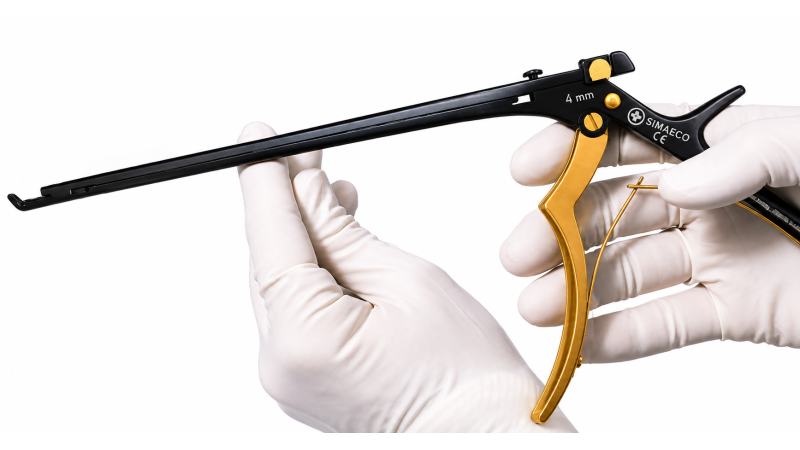
In spine and neurosurgery, the right instrument can make a meaningful difference in surgical workflow. Surgeons need precise control, clear access, and instruments that match the procedure, anatomy, and operating technique.
For hospitals, surgical centers, and medical instrument distributors, selecting spine surgery instruments is not simply a matter of choosing the lowest price. The design, jaw size, angle, shaft length, handling, finish, and maintenance requirements all deserve careful consideration.
This guide explains the key points to review when selecting laminectomy punches, Kerrison rongeurs, and other spine and neurosurgery instruments.
What Are Laminectomy Instruments Used For?
A laminectomy involves removing part or all of the lamina, the portion of a vertebra that helps form the spinal canal. The procedure may be performed to create more space for the spinal cord or nerves, or to help address conditions such as spinal stenosis, bone spurs, or other sources of compression.
Laminectomy instruments are designed to help surgeons remove bone and access the surgical area with controlled movements. Common instruments include:
- Laminectomy punches
- Kerrison rongeurs
- Up-biting and down-biting rongeurs
- Straight and angled punches
- Bone cutting and grasping instruments
- Nerve root retractors
- Pituitary rongeurs
- Curettes and dissectors
The correct combination depends on the surgical approach, the level of the spine, the surgeon’s preferred technique, and the required working angle.
Understanding Kerrison Rongeurs
Kerrison rongeurs are commonly used for cutting or biting bone during procedures involving the skull or spinal column. Regulatory device documentation describes these instruments as manually operated devices intended for cutting or biting bone during cranial and spinal surgery.
They are available in different configurations, including:
- Various jaw sizes
- Up-biting and down-biting designs
- Different shaft lengths
- Standard or low-profile footplates
- Straight or angled shafts
- Different handle styles
- Reusable or detachable-tip options, depending on the product design
The most suitable configuration depends on the surgeon’s access requirements and the anatomy being treated.
1. Select the Correct Jaw Size
Jaw size is one of the first specifications to review. A smaller bite may be useful when the surgeon requires controlled bone removal in a narrow or delicate area. Larger jaws may help remove more material with each movement when access and visibility allow.
Common selection considerations include:
- The size of the surgical field
- The thickness and location of the bone
- The amount of bone that needs to be removed
- The level of precision required
- The surgeon’s preferred technique
A larger jaw is not automatically the better choice. The instrument should provide an appropriate balance between efficiency and control.
2. Consider the Biting Direction
Kerrison rongeurs are commonly available in up-biting and down-biting configurations. The choice affects how the instrument approaches the target area.
Up-biting rongeurs may be selected when the surgeon needs to bite upward toward the lamina or another area of bone.
Down-biting rongeurs may be preferred for a different line of access or when the surgical approach requires the jaws to work in a downward direction.
Offering both configurations can help surgical teams prepare for different techniques and anatomical requirements.
3. Review Shaft Length and Profile
Shaft length influences reach, working distance, and instrument handling. A shorter shaft may provide a more direct feel in an accessible surgical field, while a longer shaft may help reach deeper areas.
A low-profile design can also be important when working in a restricted space. Product specifications may include shaft lengths, jaw openings, and footplate options, all of which should be reviewed before purchase.
When comparing instruments, consider:
- Cervical, thoracic, or lumbar use
- Open or minimally invasive access
- Depth of the operating field
- Visibility around the instrument
- Surgeon comfort and hand position
The instrument should support the intended procedure without creating unnecessary obstruction.
4. Evaluate Handle Comfort and Control
A surgical instrument may have excellent specifications on paper but still be uncomfortable during extended use. Handle shape, spring tension, finger placement, and overall balance can influence control and fatigue.
When evaluating laminectomy punches and Kerrison rongeurs, surgeons and procurement teams should consider:
- How smoothly the handle opens and closes
- Whether the spring returns consistently
- Whether the instrument feels balanced
- Whether the handle supports a secure grip
- Whether the biting action feels predictable
- Whether the instrument can be operated comfortably with gloves
For distributors, providing accurate information about handle design can help customers choose instruments based on actual operating preferences rather than appearance alone.
5. Check the Cutting Action
The cutting action should be consistent and appropriate for the intended use. A rongeur that does not close smoothly or fails to cut as expected can affect workflow and may require additional instrument changes during a procedure.
Before selecting a product line, review:
- Jaw alignment
- Closing action
- Sharpness and consistency
- Spring performance
- Footplate design
- Resistance during operation
- Quality-control procedures
Instrument performance should always be assessed according to the manufacturer’s specifications and the healthcare facility’s purchasing and validation procedures.
6. Pay Attention to Materials and Finish
Spine and neurosurgery instruments are commonly manufactured from surgical-grade metals designed for durability, cleaning, and sterilization. However, material selection alone does not determine instrument performance.
Also review:
- Surface finish
- Corrosion resistance
- Joint construction
- Locking or detachable components
- Compatibility with the facility’s reprocessing method
- Manufacturer cleaning and sterilization instructions
Reusable instruments must be cleaned, inspected, lubricated where required, and sterilized according to the manufacturer’s instructions and the facility’s approved protocols.
7. Confirm Reprocessing and Maintenance Requirements
Instrument maintenance is an important part of the total cost of ownership. A product that is difficult to clean, inspect, or repair may create extra work for the sterile processing department.
Before placing an order, ask:
- Is the instrument reusable?
- Are any components detachable?
- Can the jaws and joints be inspected easily?
- What cleaning process is recommended?
- Are replacement springs, tips, or parts available?
- What is the repair and service policy?
- Is product training available for the sterile processing team?
For distributors, providing clear reprocessing information helps hospitals make better purchasing decisions and supports safe, consistent instrument management.
8. Match the Instrument Range to the Procedure
A complete spine and neurosurgery instrument range may include instruments for different anatomical levels and surgical approaches.
Depending on the customer’s needs, a product range may include:
- Cervical laminectomy punches
- Thoracic and lumbar rongeurs
- Straight and angled Kerrison rongeurs
- Different bite widths
- Different shaft lengths
- Low-profile instruments
- Bone nibblers
- Disc and tissue rongeurs
- Retractors and elevators
- Curettes and dissectors
Hospitals should review their existing sets and identify gaps rather than purchasing instruments individually without considering the overall tray configuration.
9. Choose a Supplier That Understands Clinical Requirements
A reliable supplier should do more than provide a product catalogue. The supplier should be able to explain specifications, provide documentation, answer technical questions, and support product selection.
Important supplier questions include:
- Can you provide detailed product specifications?
- Are product samples or evaluations available?
- What quality certifications and documentation are provided?
- Are the instruments supplied reusable or single-use?
- What is the expected lead time?
- Are replacement parts available?
- Can you support custom instrument sets?
- Do you work with distributors and hospital procurement teams?
Clear communication is especially important when supplying surgical instruments across different markets and healthcare systems.
10. Avoid Choosing Instruments Based on Price Alone
Price is important, but it should be considered alongside performance, durability, maintenance, service, and availability.
A useful comparison should include:
- Initial purchase cost
- Expected service life
- Repair and replacement costs
- Reprocessing requirements
- Availability of spare parts
- Delivery reliability
- Documentation and regulatory support
- Supplier responsiveness
The most useful instrument is one that fits the clinical need, performs consistently, and can be supported throughout its working life.
Questions Surgeons and Distributors Should Ask
Before selecting laminectomy punches or Kerrison rongeurs, consider these questions:
- What procedure and spinal level will the instrument support?
- What jaw size and biting direction are required?
- Is a standard or low-profile footplate more appropriate?
- What shaft length provides the best access?
- Does the handle offer comfortable, controlled operation?
- Is the instrument compatible with the facility’s reprocessing process?
- Are product documents and technical specifications available?
- Can replacement parts and servicing be provided?
- Does the supplier support custom sets or distributor requirements?
- Can the product be evaluated before a larger purchase?
Final Thoughts
Choosing the right laminectomy punches, Kerrison rongeurs, and spine surgery instruments requires attention to more than product appearance or price. Jaw design, bite direction, shaft length, handle control, materials, maintenance, and supplier support all contribute to a practical instrument selection process.
For surgeons, the priority is dependable control and suitability for the intended procedure. For hospitals, it is also important to consider reprocessing, service, documentation, and total cost of ownership. For distributors, product knowledge and reliable supplier support can make it easier to serve surgical teams effectively.
If you are reviewing instruments for spine or neurosurgery applications, compare the specifications carefully and choose a product range that matches the needs of the surgeons and facilities you serve.
Looking for Laminectomy Punches or Kerrison Rongeurs?
Looking for laminectomy punches, Kerrison rongeurs, or other spine and neurosurgery instruments? Contact our team to discuss available sizes, angles, shaft lengths, specifications, and distributor requirements.
Related Products
Leave a comment